
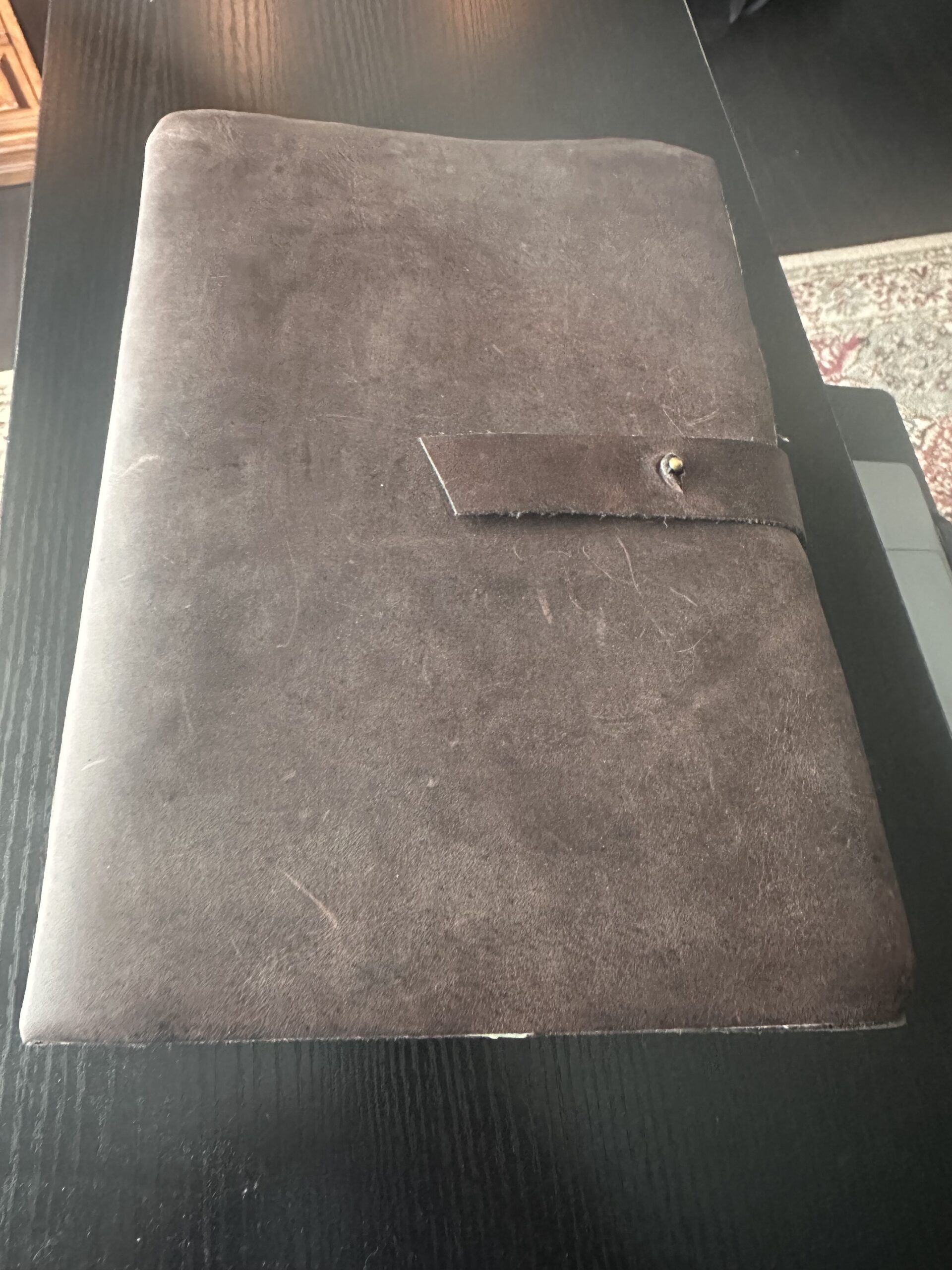
I don’t just travel with a suitcase; I travel with a worn, leather-bound journal that smells faintly of ink and airports. I pull it out in terminals, on trains, and even late nights in a foreign hotel room, to scribble down overheard conversations, strange little details, and the exact color of the sky before a storm rolls in. Later, when I’m back home at the keyboard, those handwritten pages are my secret map: a catalog of sounds, smells, and textures that I can mine to make fictional places feel like somewhere you’ve actually stood.
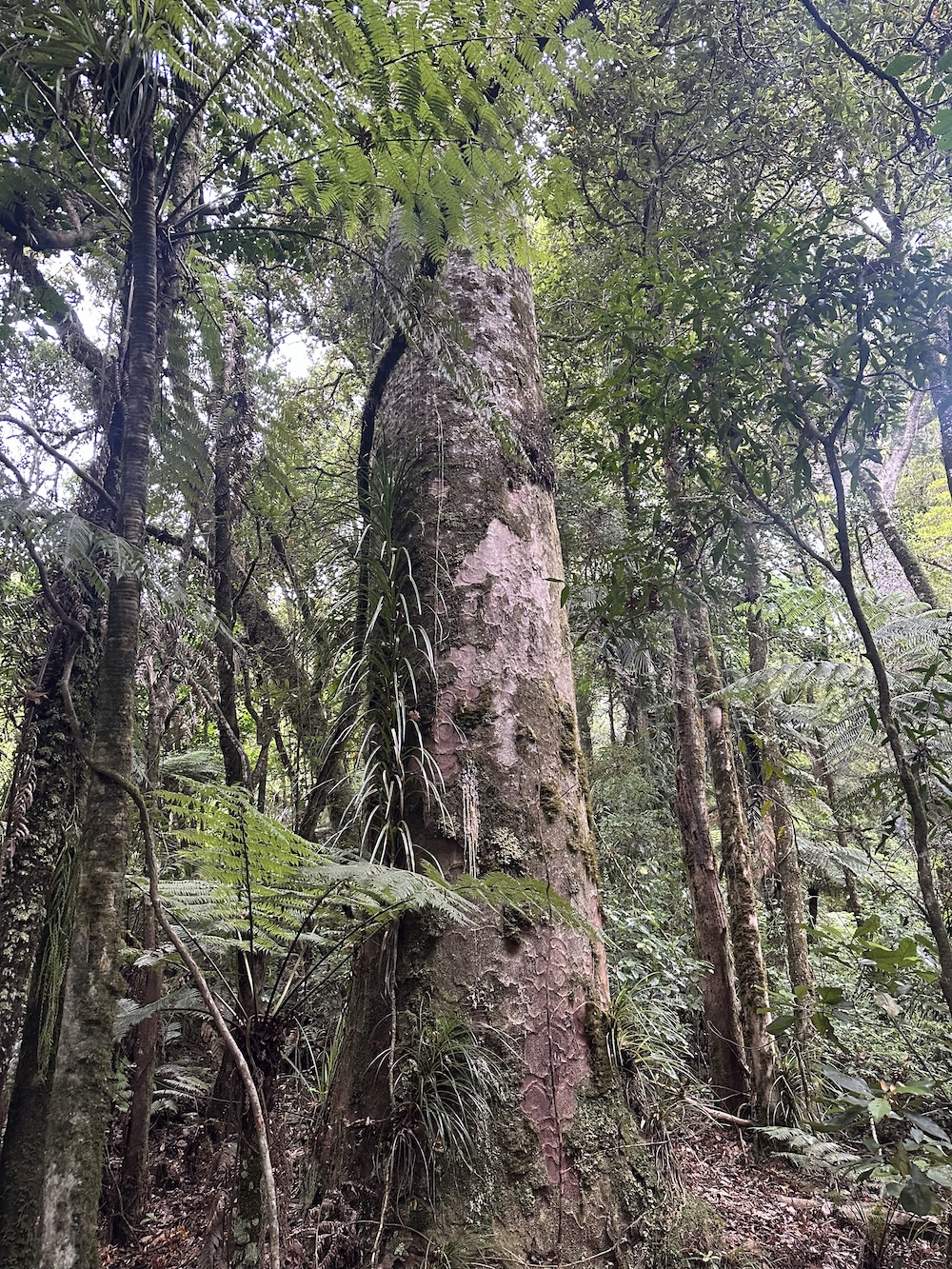
Travel has always felt like the most elaborate kind of research for my fiction, even when I’m not consciously “researching” anything. I go to refill the creative well, and I come home with landscapes, textures, sounds, photos and moods that quietly slip into my stories long after the jet lag fades. When I flip through that journal later, the hurried handwriting pulls me right back into those moments, giving me more than just memories; it gives me usable raw material.
When I walk into a new place, the writer part of my brain switches on almost automatically. I hear the way gravel sounds underfoot in a courtyard or I smell the salt-tinged petrichor when a storm rolls in off the sea or I marvel at the particular shade of green you only see in a mossy forest that never quite dries out. I jot down snippets as they happen, knowing they might someday become the crunch of boots in a tense scene or the damp chill of a forgotten tunnel. Those details are what help me make my worlds feel lived-in, whether I’m sending a contract killer into a riverside corporate lab in Project NEMISYS or dropping characters into a supernatural confrontation in On Tenterhooks. I’m not just trying to describe a place; I’m trying to give you the physical experience of standing there, heart racing, with the characters.
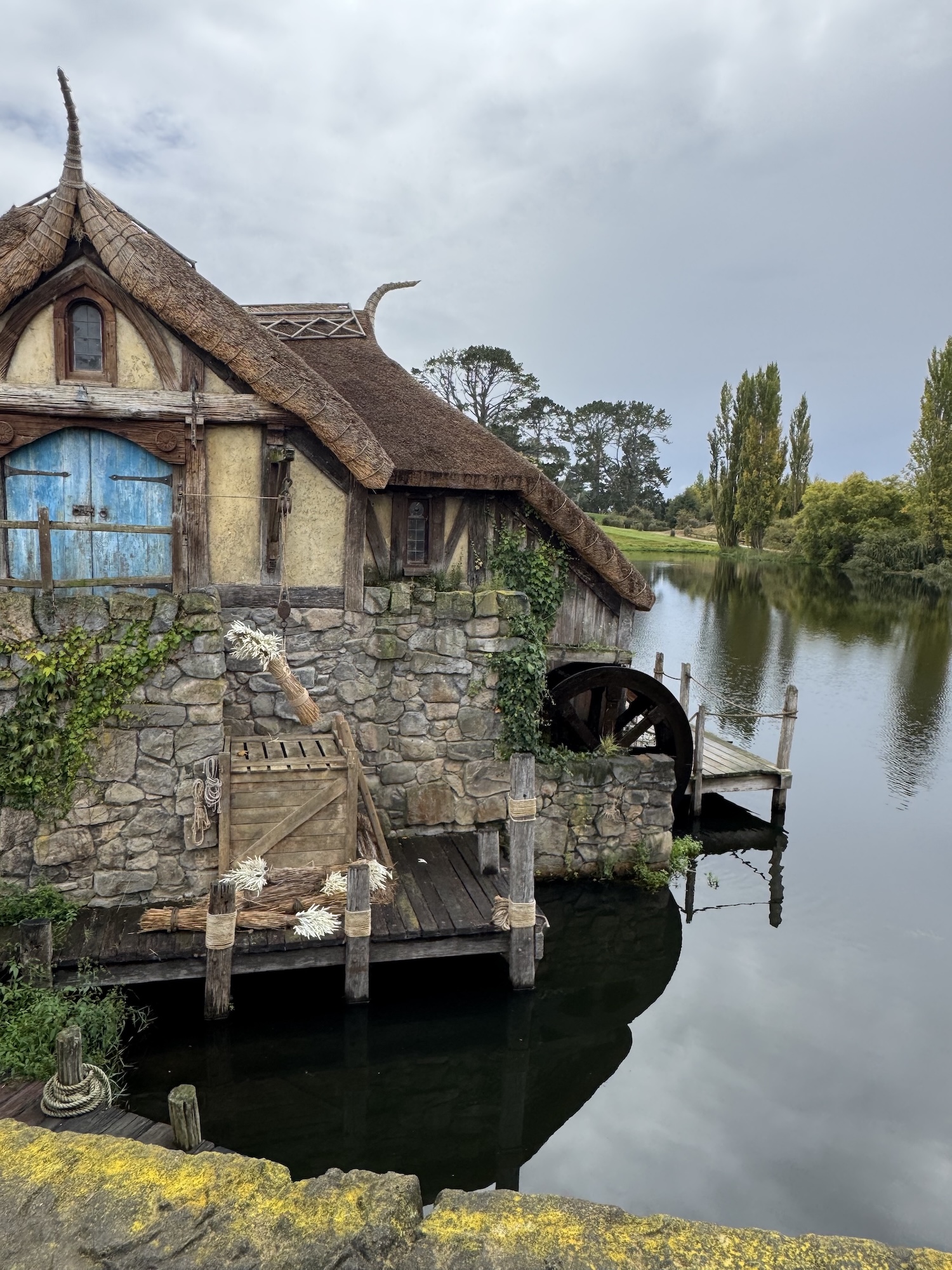
Some of that comes from very specific trips. Hobbiton in New Zealand is a good example. It’s a manufactured place, but it feels startlingly real when you’re actually there. The curve of the hill, the way the round doors nestle into the earth, the laundry strung on lines, the way the pub feels warm and low and human-sized—those all earned a line or two in the journal. Being there recalibrated how I think about “cozy” spaces in fiction: places that feel safe, intimate, and a little magical even when danger is brewing beyond the borders. When I write a small-town bar, a tucked-away hideout, or a quiet refuge between violent moments, there’s a little bit of Hobbiton’s warmth in the bones of it.
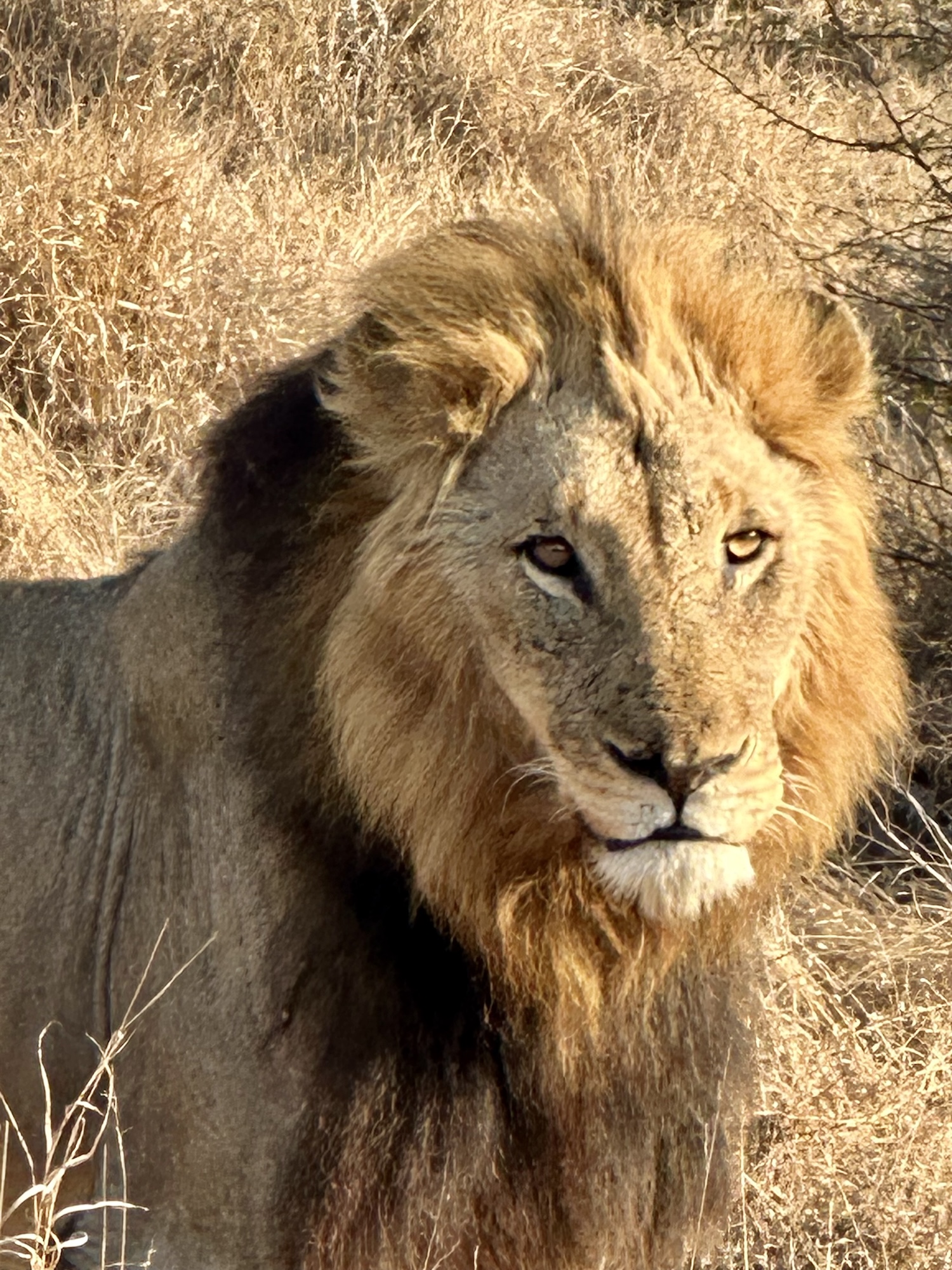
South Africa imprinted something different: scale and proximity. Being close to animals that could, in theory, end you in a second changes how you write tension. The way a lion moves, casual but coiled; the quiet before a herd shifts direction; the sudden awareness that you are not at the top of the food chain here. Those impressions landed on paper as quick, jittery notes, written in a moving vehicle because I didn’t want to lose the immediacy of that feeling. That awareness of latent threat in a beautiful setting has bled into how I write chase scenes and confrontations. In my books, when characters move through forests, fields, or isolated roads, there is usually that sense that something powerful and dangerous could be watching from just beyond what they can see. That feeling is straight out of those days on safari.
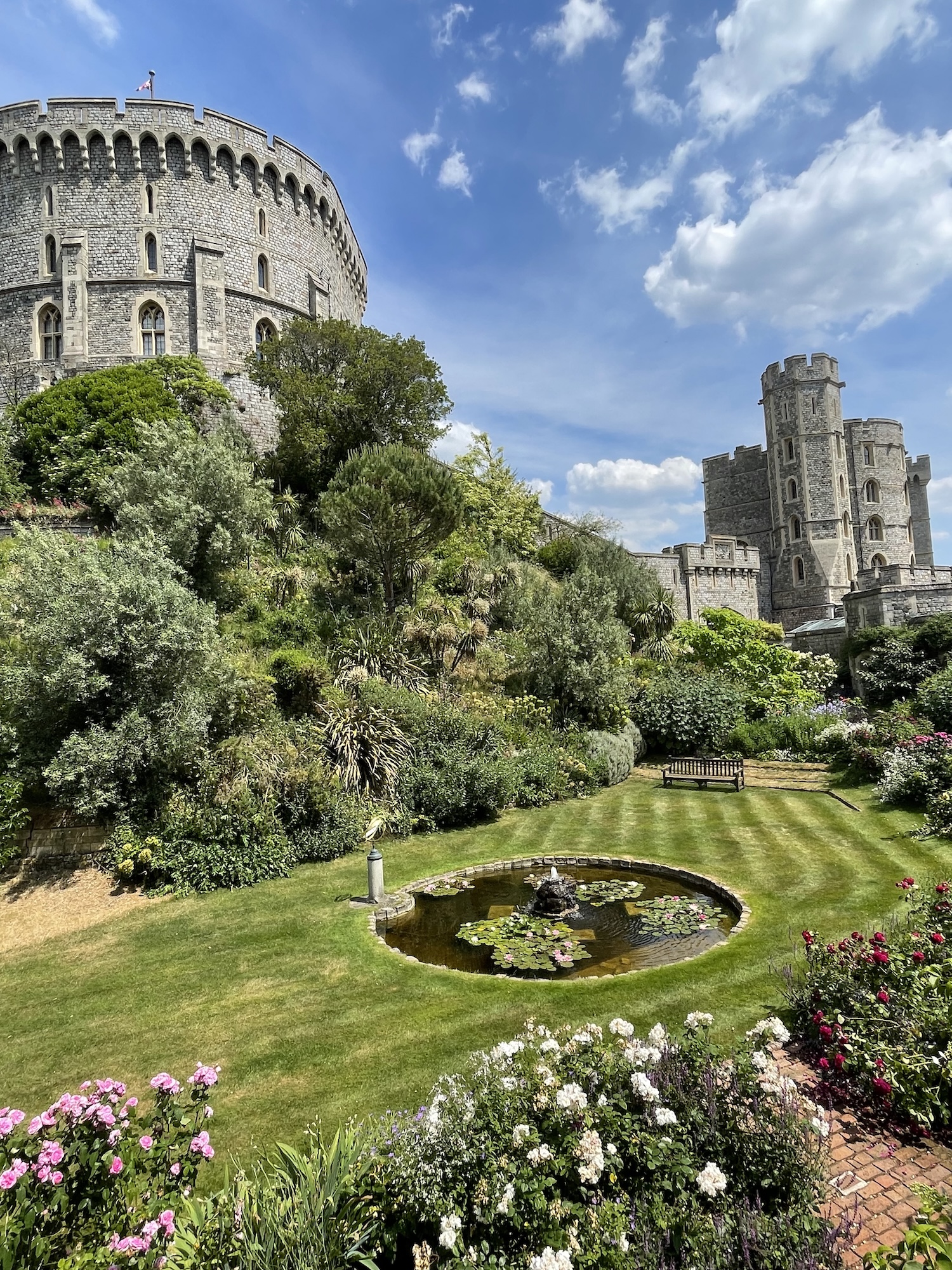
England gave me a different kind of weight: history pressing in from all sides. Castles and cathedrals ancient monuments are built environments, but they are also accumulated time. You feel it in the worn steps, in the stones polished by centuries of hands, in the stained glass that has watched empires rise and fall. I remember scribbling in my journal in a quiet corner of a cathedral, trying to capture the way voices echo off stone and the way candle smoke clings to the air. That sense of deep time and layered stories informs the way I build conspiracies, cults, and institutions in my fiction. When I write about secret organizations, ancient forces, or long-running experiments, I’m thinking about those structures that have been standing so long they almost feel like they have their own will. My villains often operate from spaces like that: places where the walls themselves seem to remember things.
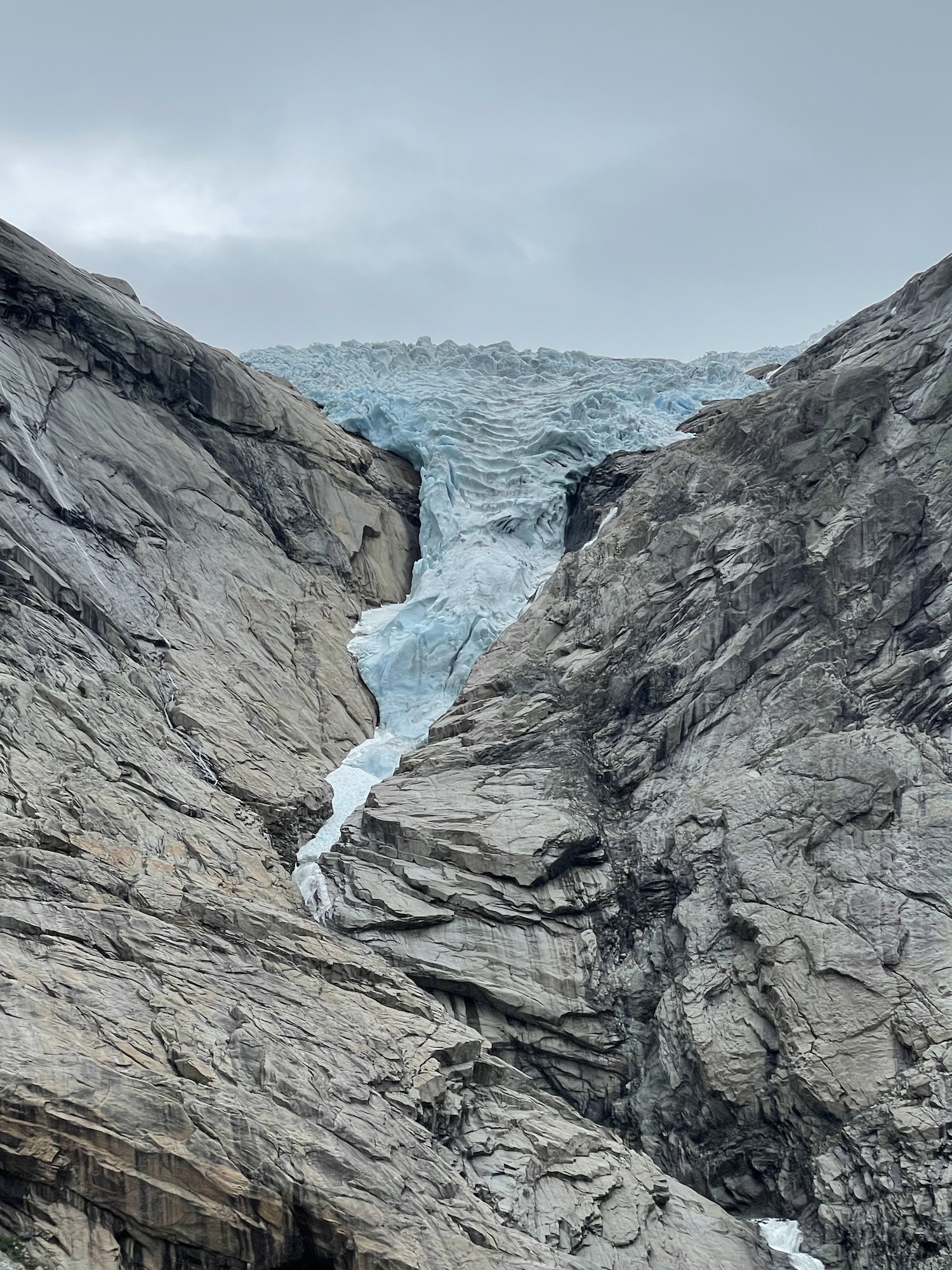
Norway’s glaciers and fjords added another layer: isolation and awe. Standing in front of ice that is older than my entire country, listening to a glacier crack and groan in the distance, is a reminder of how small we are and how indifferent the natural world can be. My journal from that trip is full of short, clipped lines about cold air burning my lungs, about eerie quiet broken only by distant ice and water. That feeling shows up in my work whenever I write about forces bigger than humanity, whether it is a cosmic threat, an unknowable entity, or even just weather that does not care if you live or die. The cold in those scenes is not just a temperature; it is a personality. The landscape is not backdrop; it is an active force shaping what is possible.
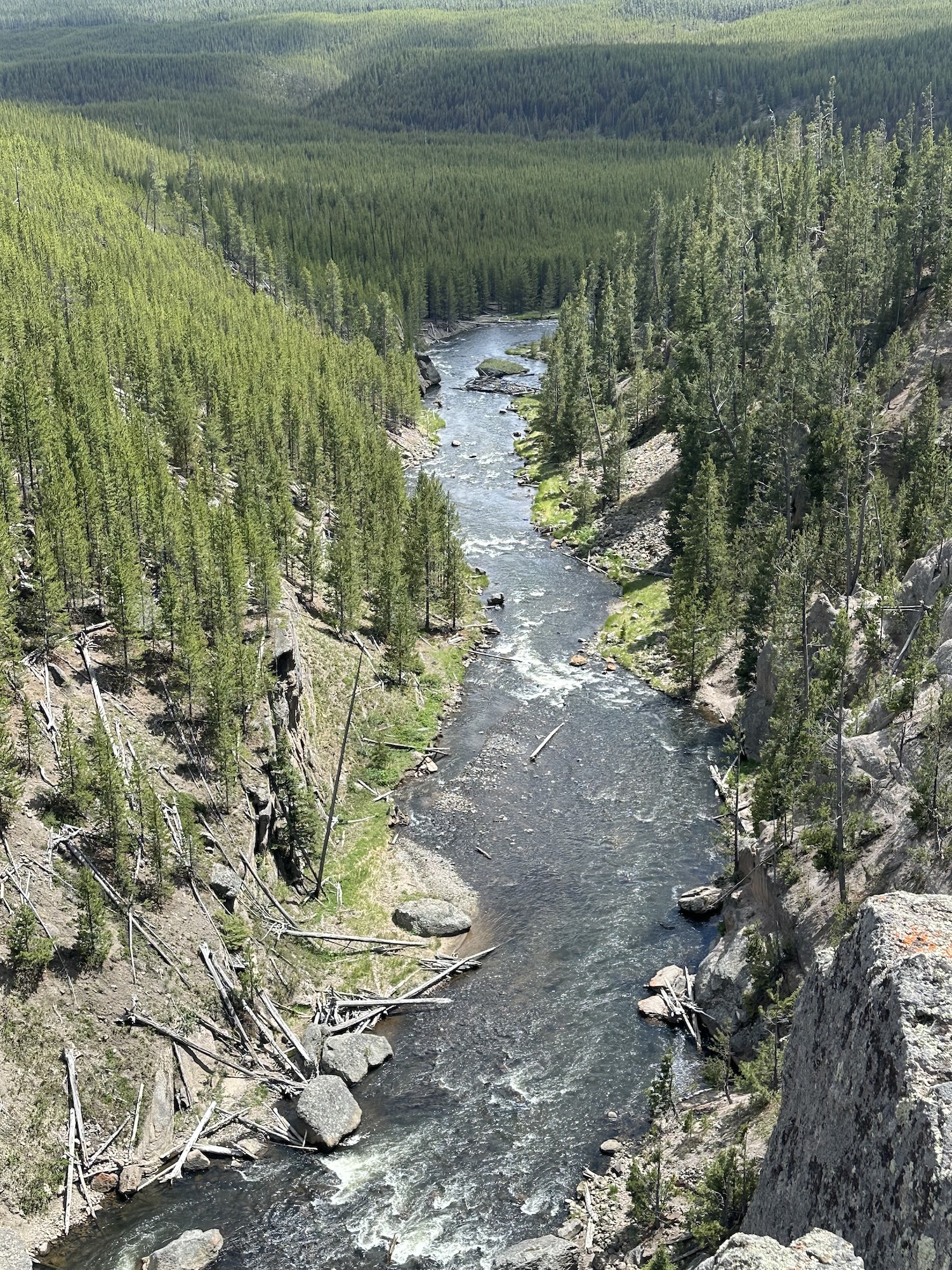
The American West, especially places like Grand Teton and Yellowstone, woke up a different part of my imagination. Those mountains and geysers are brutal and beautiful at the same time: jagged peaks tearing at the sky, boiling pools that look like portals, bison moving slowly through steam like ghosts that never got the memo about time. I filled pages with sketches of fumaroles and notes about the sulfur sting in the air. Being there changed how I think about wilderness in my stories. When I write about remote locations, secret facilities, or “middle-of-nowhere” scenes, I picture roads that vanish into pine forests, the smell of sulfur on cold air, and the sense that the ground itself is alive and unpredictable. It’s not just scenery; it’s a place that can kill you if you stop paying attention for even a moment.
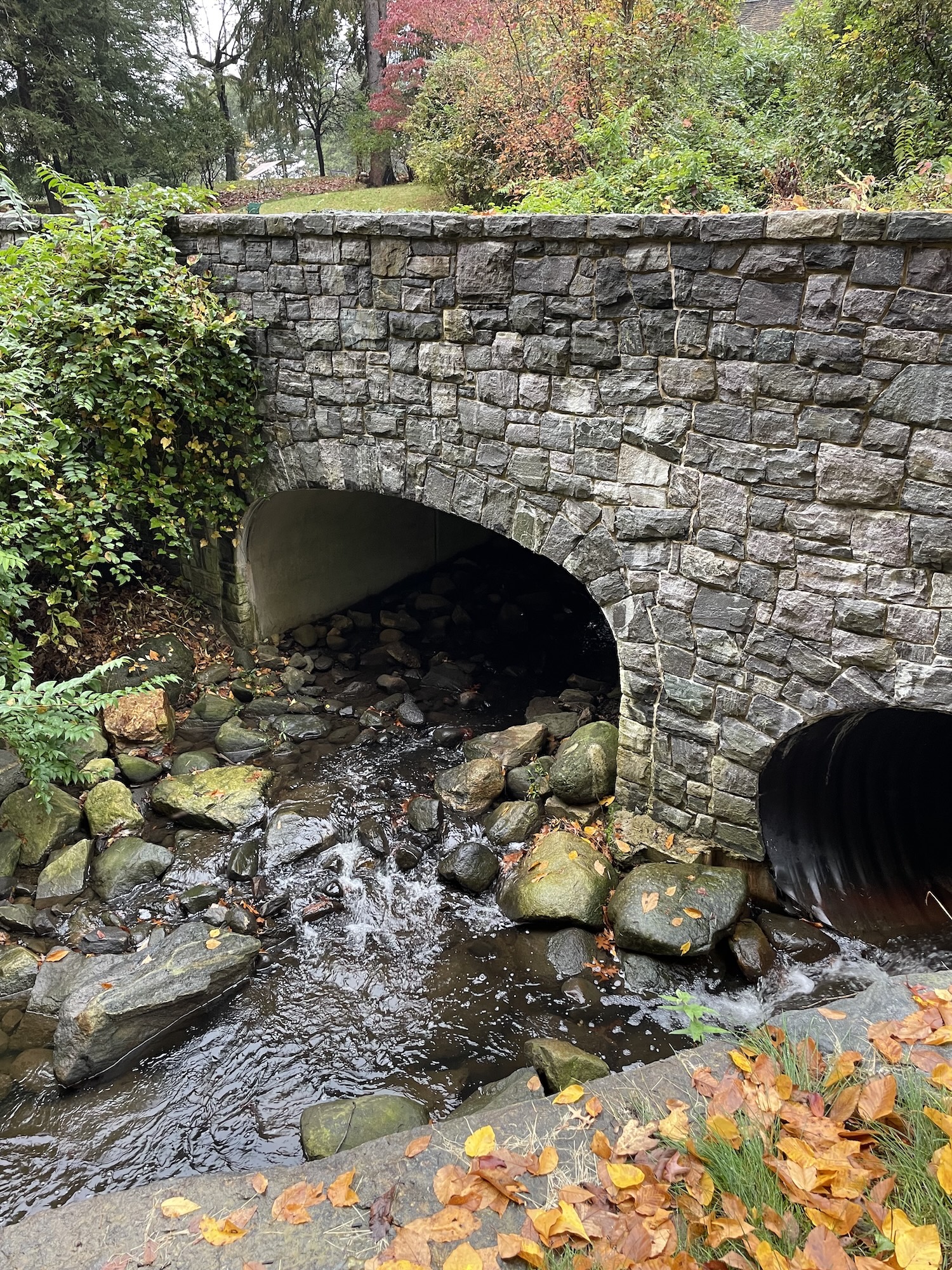
Tarrytown and Sleepy Hollow brought me into a different kind of haunted space: one that is steeped in story before you even arrive. That Hudson Valley fog, the old bridges, the graveyards tucked under leaning trees, all of it hums with the echo of Washington Irving and centuries of ghost stories. He wrote of Sleepy Hollow as a secluded place so steeped in legend and imagination that it seems to cast a spell over anyone who passes through. Walking those streets, you feel how a tale can graft itself onto a place so deeply that you can’t separate the two. That experience influences how I build “legend-heavy” settings in my fiction: towns with whispered histories, churches with rumors no one wants to write down, backroads everyone swears they avoid after dark. Sleepy Hollow reminds me that sometimes the most effective horror is not what you see, but what everyone in town already believes.
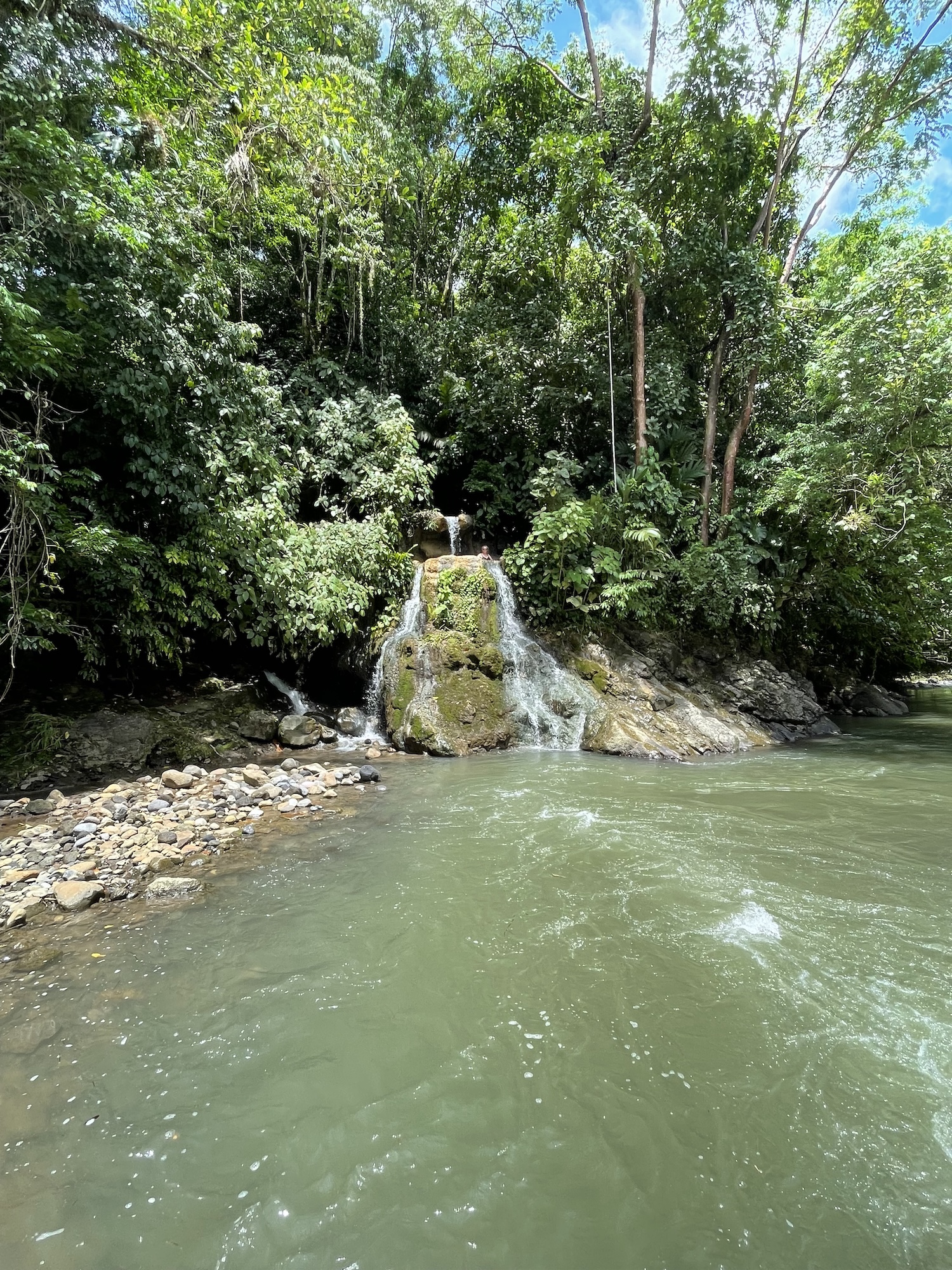
Costa Rica offered another mood entirely: a lush, relentless kind of life that never turns the volume down. The rainforests there feel like they’re breathing around you, humidity wrapping your skin, insects singing in layers, something rustling just out of sight at all times. My pages from that trip are smudged from sweat and rain, filled with descriptions of how the jungle sounds at 3 a.m. and how the air feels louder than some cities. Even the colors are turned up: greens so vivid they feel fake, bright birds flashing through the canopy, the shock of volcanic black sand against a turquoise sea. Those sensory overloads sneak into my stories whenever I write environments that are both beautiful and dangerous. In my head, a lab hidden in the jungle, a remote village, or a coastal safe house all carry traces of Costa Rica: the oppressive heat, the constant soundscape, and the creeping realization that nature doesn’t care about your plans. All of that helps me write settings where the world is not just a backdrop for the plot, but an active pressure pushing on the characters, forcing them to react, adapt, and sometimes break.
Social media, especially Instagram (follow me here), has become a kind of travel notebook for me too. I post the photos and little snippets of observation, but under the surface those posts are a catalog of sensory details to revisit later: the boom and crash of waves breaking against the seawall in Capetown harbor, the way the light of dusk falls upon the colorful row shops in Bergen, the look on a leopard’s face when it smells something you can’t. My journal holds the messy, private version of those same impressions. When I’m drafting or revising, I flip through worn pages and old posts to remind myself what real places feel like. It helps me avoid generic “city,” “forest,” or “hotel room” scenes and instead write spaces that feel specific: the hum of a ferry engine, the echo in a stone corridor, the cramped feel of a cheap European hotel with a view that makes up for everything.
All of this matters because the more grounded my settings feel, the more I can push the speculative elements without losing you. If the assassin’s safe house in Project NEMISYS feels as tangible as that beach cottage you stayed in once, you’re more willing to follow me when the science veers into the uncanny. If the grief-haunted back roads and churches in On Tenterhooks feel like places you’ve driven past or sat in, you’re more open to believing something supernatural might be lurking there. Travel gives me the raw material to build those believable foundations, and the journal makes sure I don’t lose the sharp edges of those experiences, because, admittedly, my memory can sometimes be crap.
In the end, fiction and travel feed each other. I travel to see more of the world so I can write better, stranger versions of it. I write to make sense of the places I’ve been and to revisit them in different forms, darker, more dangerous, or sometimes more hopeful. Every time I step into a new country, a new city, or a new landscape, my hand goes automatically to that worn leather cover. I know I’m not just collecting memories; I’m quietly mapping the geography of my stories.